Tikanga Māori perspective of the Internet

Karaitiana N Taiuru · 17 April 2015 These two presentations were first presented by Karaitiana Taiuru to the Open Source/Open Society 2015 conference (Indigenous break out session) in Wellington on April 17 2015. N Part 1: The Internet infrastructure and technologies from an Indigenous perspective: comparing Māori traditions and genealogies Part 2: Impacts and Considerations … Read more
Principles for Digital Identity

Introduction Digital identity in New Zealand (DIiNZ) must recognise that Māori identity is not only an attribute of an individual account, but also relational, collective, and grounded in whakapapa, whānau, hapū, iwi, whenua and other traditional collective identity mechanisms. Most digital identity systems begin from a different assumption, that one person, one account, verified by … Read more

Record of stolen Māori Knowledge by AI

Scraped

My ongoing investigation of scraped and stolen Māori knowledge by AI has identified more than 80 Māori authors, 8 non Māori kaupapa Māori authors (194 plus titles) and song artists; 100’s of videos from Te Karere TVNZ and Marae TV sourced primarily from YouTube, Māori academics articles published in Elsevier and JSTOR, including texts from … Read more

Tikanga AI images of a person

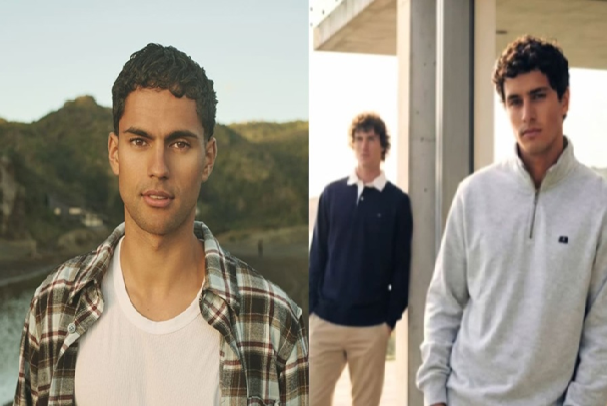
Three male models looking at the camera

A New Zealand model Elijah Timmins-Scanlon alleges streetwear brand Huffer is generating models with AI, using the likeness of models from previous Huffer campaigns, without disclosure. Shockingly, On 6 June, Huffer wrote to him demanding he “immediately remove, or amend” posts it claimed may breach the Harmful Digital Communications Act 2015  and asserted a right … Read more

AI Agents and Legal Personhood in New Zealand

In this article I extend my earlier analysis of Māori cultural perspectives on AI sentience and legal personhood to the specific and urgent case of agentic AI systems, those capable of autonomous, persistent, goal directed action across digital environments. I argue that Mead’s tikanga Māori framework that I have previously applied to static AI models … Read more

Google DeepMind hires ‘philosopher’

AI machine sentience

As AI systems grow more capable, companies appear increasingly willing to look beyond traditional engineering disciplines for guidance on questions that touch on consciousness, identity and what it means to interact meaningfully with a machine. On 13 April 2026, Google DeepMind announced it had hired philosopher Henry Shevlin to study machine consciousness, human AI relationships, … Read more

Human Resilience with AI

I was honoured to be one of the 386 international AI ethics experts to contribute a short essay to the “Building a Human Resilience Infrastructure for the Age of AI: Experts Call for Radical Change Across Institutions, Social Structures” report and contribute a Te Ao Māori perspective to the Epistemic Vigilance: Discerning Truth, Illusion and … Read more

Meta’s Digital Ghost Patent

digitalghost

Meta’s Digital Ghost Patent: A Te Ao Māori Analysis   IMPORTANT NOTICE FOR FACEBOOK AND META USERS On 30 December 2025, Meta was granted a United States patent that would allow its platforms to use Artificial Intelligence to construct a digital simulation of you, trained on your posts, messages, voice recordings, browsing history, and purchases and … Read more

Māori Forensic Deceased Data

icon

Tikanga Māori Perspectives on Forensic Data: Dr Angela Clark on Digital Governance for Tūpāpaku in Aotearoa New Zealand Emerging forensic technologies, high-resolution imaging, 3D reconstructions, and AI-assisted analysis are rapidly changing how data from tūpāpaku (the deceased) is created, used, shared, and stored in Aotearoa New Zealand. While these tools can improve identification outcomes and … Read more

Māori views of Digital Credentials

In New Zealand, a digital credential is a secure, digital version of something that proves who you are or what you’re entitled to, for example your identity, age, or role in a business that you can store in a wallet style phone or device app and present online or in person. This includes your digital … Read more

Risks of AI Agents to Māori

UNESCO/AIGeneratedAttribution 4.0 International (CC BY 4.0)

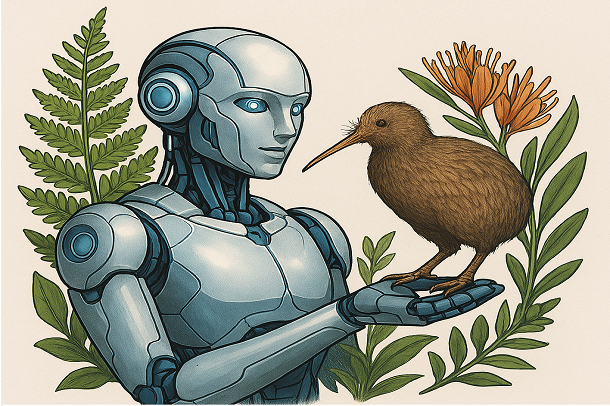
AI Agents are to Māori what Captain Cook and his Endeavour Ship and crew were. If Māori understood the challenges and intergenerational colonisation they were capable of, the historical outcomes would be very different. Artificial Intelligence (AI) agents are rapidly becoming autonomous actors within social, economic, and governmental systems. For Māori, these agents introduce new … Read more

Loss of mātauranga to AI

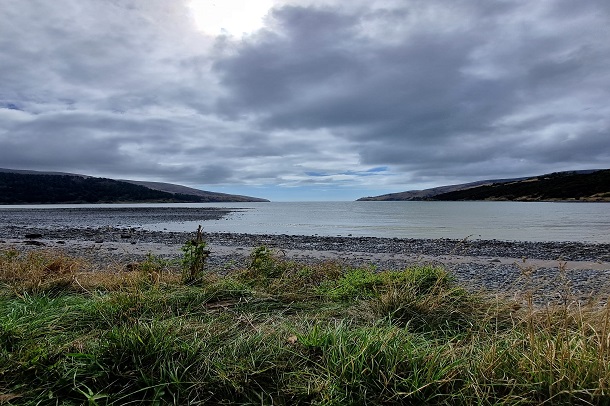
image of koukourarata bay

Using paid, proprietary AI subscription services to build reo Māori and mātauranga models introduces serious risks of cultural appropriation, loss of control, and contested ownership. Māori have always been quick to adopt and adapt new technologies. Much of our traditional knowledge is only now being recognised as innovative within contemporary scientific fields. So when ChatGPT … Read more

AI and Pepeha

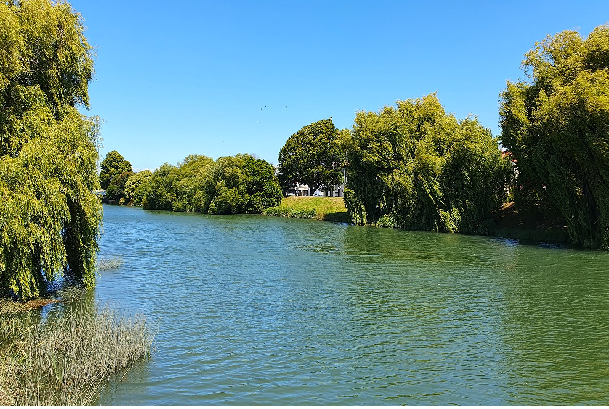
Cam River

After generations of successful assimilation of Māori culture by governments including Native Schools, Tohunga Suppression Act, The Hunn Report, etc, many Māori were left without knowing their identity. There has been an increasing trend for those Māori individuals to reclaim back that knowledge. For many people, they are disconnected from their families and communities, so … Read more

Explaining AI using whakatauki

TBA

I have over the years shared some mātauranga Māori and compared it to AI, I am hoping to revive our pre traditional practices of using pepeha, moemoea, waiata, oriori and other oral preservation and learning resources to assist Māori to understand AI is a powerful tool. Despite Māori being at the crossroads of new digital … Read more

Customary Māori Values and Copyright Legislation for Facial Recognition Technology (FRT)

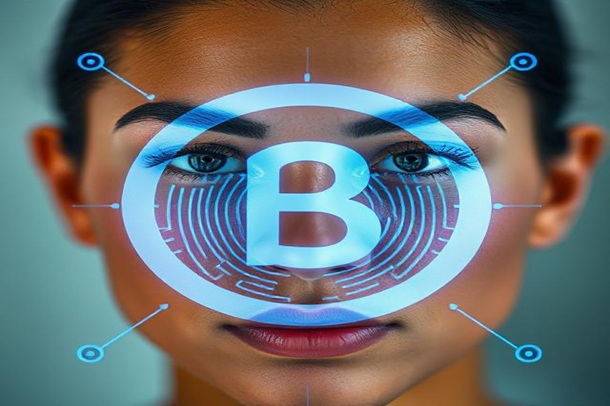
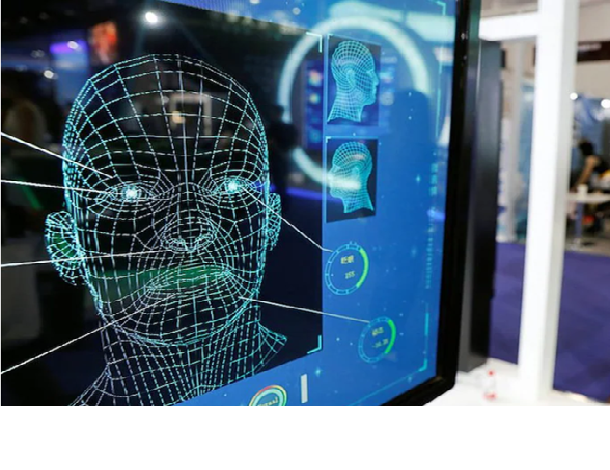
copyright symbol, facial recognition and one a light brown skinned face

For many years, I have written about Māori data sovereignty principles and the risks that Māori and other minority communities are confronted with from emerging digital technologies. In particular: deepfakes, cultural appropriation (such as the misuse of moko), voice cloning, and biased facial recognition systems. These technologies raise significant concerns, including identity theft, fake pornography, … Read more

Benefits to Māori of no Census

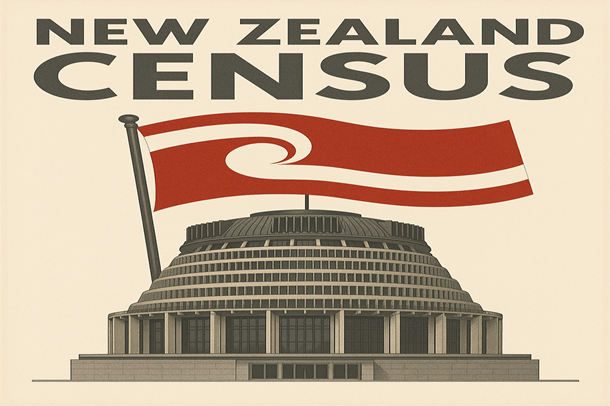
Parliament with NZ and Tino Rangatiratanga flag and the text census

The recent announcement by the government that the Census will cease in 2028 has been met with various reactions. Māori statisticians and academics with memberships and affiliations to Te Mana Raraunga and Iwi Leaders Data Group in particular are warning of issues for Māori and Iwi. As a Māori technologist/governor with Data and AI, I … Read more

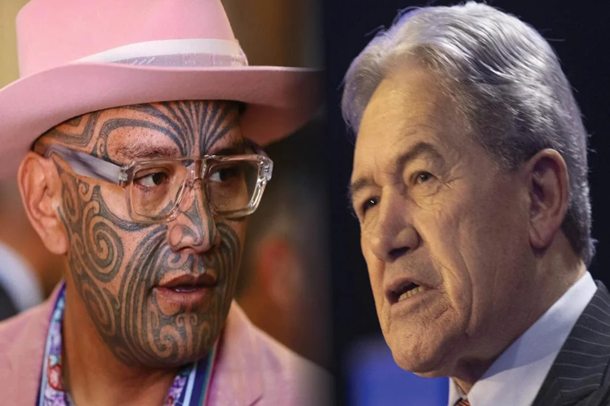
Scribble moko online protest

Earlier this week the Honourable Winston Peters, in an open parliament debate about the punishment of three politicians of the Māori Party, made what is considered a derogatory and racist comment. He commented about the Honourable Rawiri Waititi’s moko kanohi. This is a traditional tattoo that covers the face, while a moko kauae is on … Read more

AI is changing Māori culture

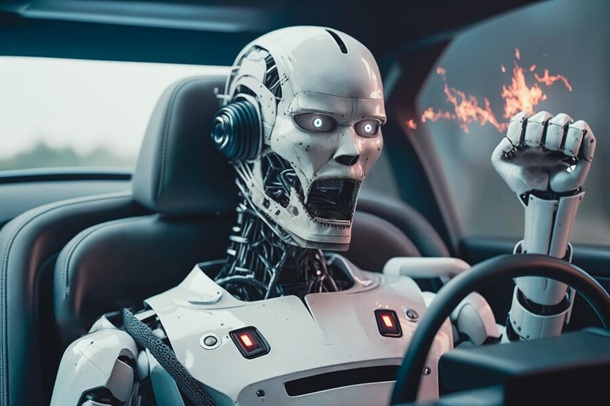
Angry AI bot behind a driving wheel

It’s a cultural norm for Māori to mihi or greet people with a ‘Kia ora’ or other salutation. This is done in person, written communications, and over the recent years in online video. In the early 2000’s, when email was relatively new, many Māori would include several sentences to a paragraph of mihimihi in each … Read more